PKD patient support in Nigeria
No one should navigate PKD alone.
Hope4PKD supports Nigerians living with polycystic kidney disease, and the families who care for them, through guidance, financial assistance, community and advocacy.
Asking for help is free, and what you tell us stays private.
Where would you like to start?
I have PKD, or my doctor thinks I might
Understand your diagnosis and see how we can help.
I care for someone with PKD
Practical guidance, and people who understand caregiving.
PKD runs in my family
Learn about the risk and when to ask a doctor about screening.
I want to help
Donate, volunteer, fundraise or partner with us.
I am a health professional
Refer a patient or work with us on medical review.
Understanding PKD
What is PKD?
Polycystic kidney disease (PKD) is most often inherited. It causes clusters of fluid-filled sacs, called cysts, to grow mainly in the kidneys. Over time, the cysts can enlarge the kidneys and reduce how well they work. Cysts may also form in the liver and other organs.
Common signs include
High blood pressure
Pain in the abdomen, side or back
Blood in the urine
Kidney stones
1 in 2
In the most common form of PKD, each child of a parent with the condition has a 1 in 2 chance of inheriting it.
That is why we encourage families to talk to a doctor about screening, even before any symptoms appear.
Early detection and family testingWhere this comes from
This page adapts information from Mayo Clinic, “Polycystic kidney disease”. Hope4PKD has not medically reviewed it. For advice about your own care, speak with a doctor or nurse, and read our medical disclaimer.
Our support
How we help
Guidance
We help you understand your diagnosis, find nephrologists and dialysis centres, and plan what comes next.
Financial assistance
Help toward the cost of dialysis, medication, tests and transplantation, after assessment and subject to the funds available.
Community
A moderated space to meet other patients and caregivers. It opens once its safeguards are in place.
Awareness and advocacy
We teach Nigerians about PKD and work with policymakers and health leaders for fairer access to care.
How it works
What happens when you ask for help
The first step is short. You only share medical documents later, through a private link, if we can help.
Ask
Send a short request. No medical documents at this stage.
Hear back
Our team reviews your request and contacts you about the next step.
Share securely
If we can help, you get a private link to share your details and documents.
Agree a plan
We check the medical and cost information and agree a support plan with you.
Stay in touch
We follow up after support, because PKD is lifelong.
The request form is not open yet.
Our story
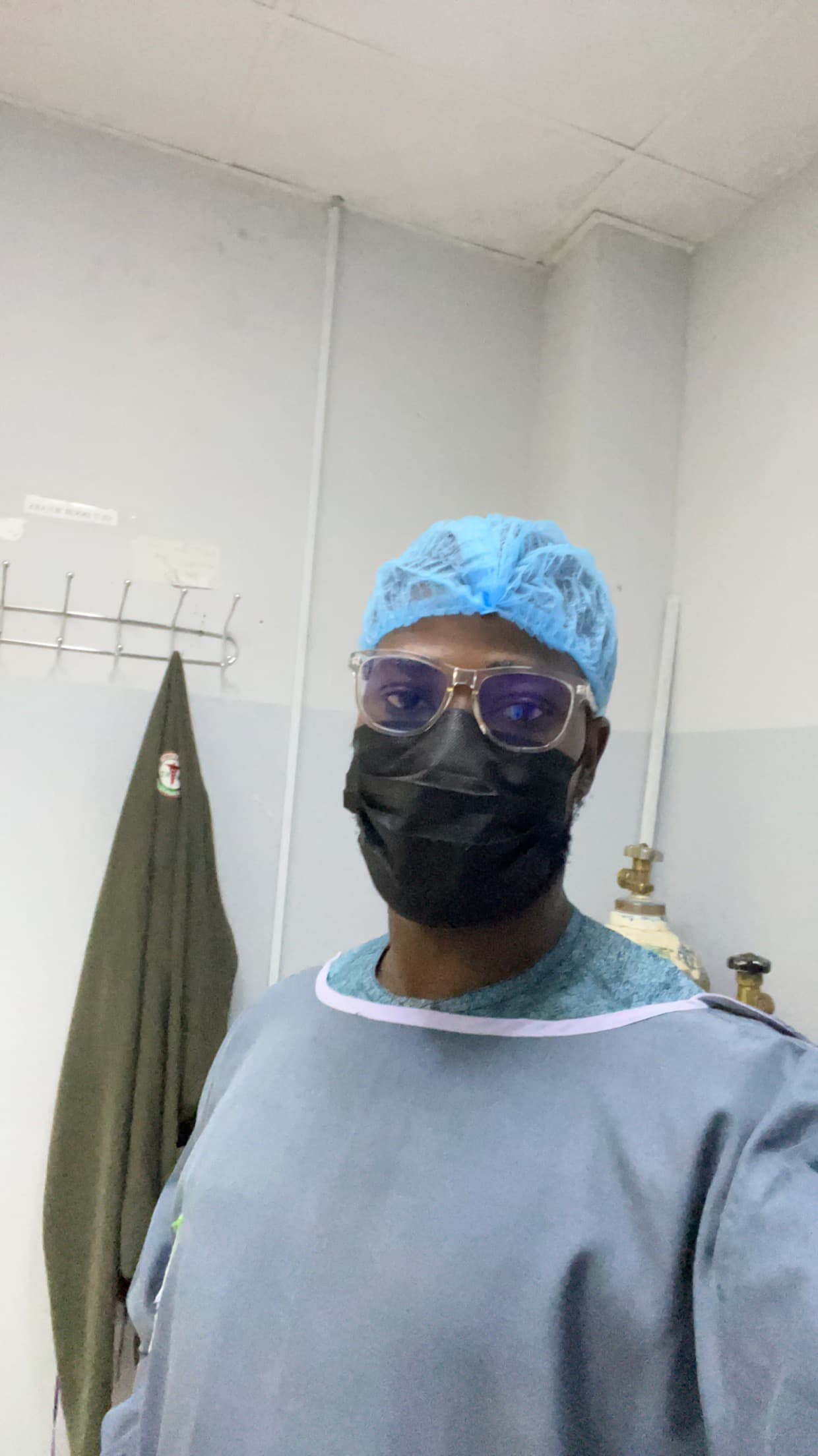
Hope4PKD began with a family’s loss.
Onyekachi Nwakaihe cared for his mother, Margaret, and his brother, John, through their years with kidney disease, and lost both of them. Reliable information was hard to find, treatment was hard to afford, and there was little support for the family carrying it.
He started Hope4PKD so that other families get more help than his did.
Read Onyekachi’s storyTransparency
How we handle money and health information
Each rule links to the page where you can read it in full.
Every campaign is verified
Patient campaigns go public only after medical and cost checks, and with the patient's consent.
Every payment is recorded
Financial support is recorded against the case and the provider it was paid for, and reported.
Health information names its source
Every page about PKD says where its facts come from and that Hope4PKD has not medically reviewed them.
Your privacy is protected
We collect only what we need, and never share your story without your written consent.
No programme report has been published yet. Registration details will appear here once they are approved for publication.
Read the transparency pageDonate
Help pay for dialysis, medication and tests.
Your gift goes toward treatment for people with PKD who could not otherwise afford it. Online donations are not open yet.